
Energy Efficiency Trends in Refrigeration & Cooling Systems
As energy costs continue to rise and environmental regulations become stricter, businesses are increasingly looking for ways to improve the
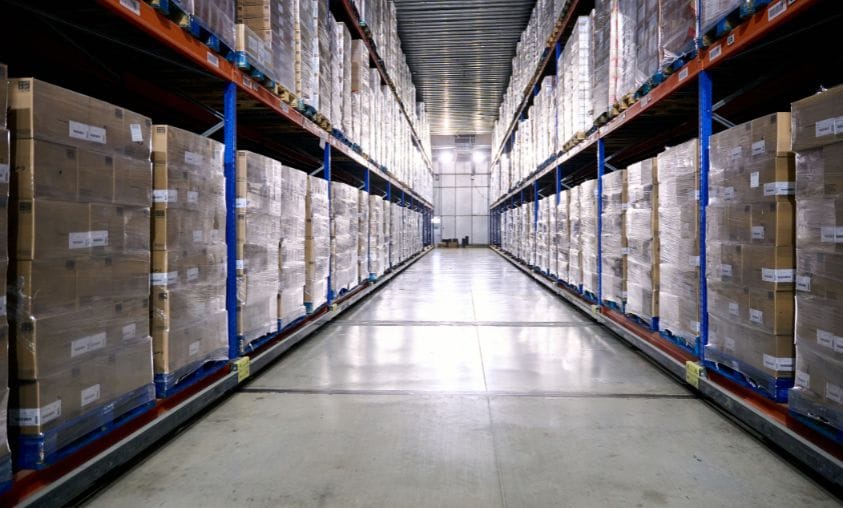
For food businesses in Davao City and nearby regions, proper cold storage is not just about keeping products cold. It is about preserving quality, ensuring food safety, and protecting your business from costly losses. Whether you operate a restaurant, grocery store, meat processing plant, or cold chain facility, having reliable
For food businesses in Davao City and nearby regions, proper cold storage is not just about keeping products cold. It is about preserving quality, ensuring food safety, and protecting your business from costly losses. Whether you operate a restaurant, grocery store, meat processing plant, or cold chain facility, having reliable cold storage practices is crucial in a tropical climate where heat and humidity can quickly lead to spoilage.
Maintaining the correct temperature is the foundation of effective cold storage. Different food products require specific temperature ranges to stay fresh and safe.
Proper zoning prevents cross-contamination and ensures that each product is stored under optimal conditions.
In tropical regions like Mindanao, temperature fluctuations can occur rapidly due to power outages, frequent door openings, or equipment strain.
Best practices include:
Consistent monitoring enables food businesses to identify issues early, preventing spoilage from occurring.
Freezer burn and spoilage are common issues that can result in food waste and financial losses.
Freezer burn occurs when food is exposed to air, causing moisture to evaporate and leading to dry, discolored surfaces. This usually happens due to:
Vacuum-sealed bags, airtight containers, and moisture-resistant wraps help prevent air exposure and dehydration.
Avoid frequent temperature changes by minimizing door openings and ensuring door seals are intact.
Label and date all stored items. Rotate stock so older products are used first, reducing long storage times.
Spoilage is often caused by bacterial growth due to incorrect temperatures or poor hygiene.
Key steps include:
These practices help maintain food quality and comply with food safety standards.
Routine maintenance ensures cold storage equipment operates efficiently and reduces the risk of breakdowns, especially in warm and humid environments like Davao City.
Regular cleaning improves efficiency and reduces energy consumption.
Professional inspections help extend equipment lifespan and prevent costly emergency repairs.
Even with good daily practices, cold storage systems require expert design and maintenance to perform reliably. Proper sizing, insulation, and equipment selection are critical, especially in tropical climates where systems operate almost continuously.
Working with experienced HVAC and refrigeration professionals ensures:
Cold storage is a vital investment for food businesses in Davao City and nearby regions. By implementing proper temperature zoning, preventing freezer burn and spoilage, and adhering to a consistent maintenance routine, businesses can safeguard their products, customers, and reputation. In a tropical climate, attention to detail and proactive care make all the difference.
At Tejada International Trade & Service Corporation, we offer reliable cold storage solutions, encompassing system design and installation, preventive maintenance, and emergency support. We serve Davao City and nearby regions, helping food businesses maintain safe, efficient, and dependable cold storage operations.
📞 Contact us today to discuss your cold storage needs and ensure your products stay fresh, safe, and protected, no matter the temperature outside.
As energy costs continue to rise and environmental regulations become stricter, businesses are increasingly looking for ways to improve the
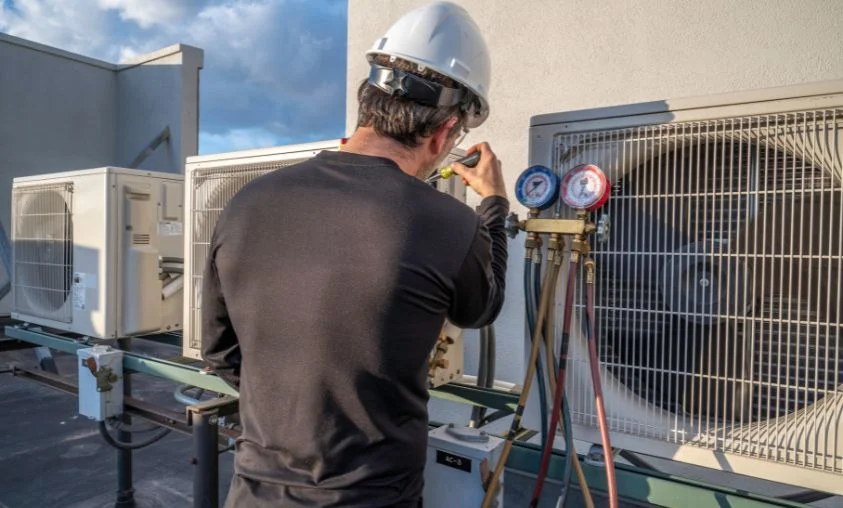
In commercial environments across Davao City and nearby regions, HVAC-R (Heating, Ventilation, Air Conditioning, and Refrigeration) systems are critical to