
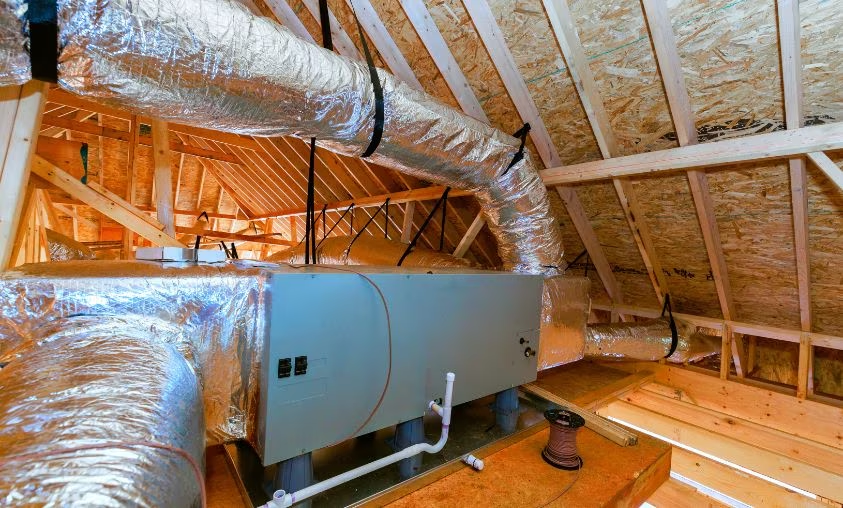
Energy Efficiency Trends in Refrigeration & Cooling Systems
As energy costs continue to rise and environmental regulations become stricter, businesses are increasingly looking for ways to improve the
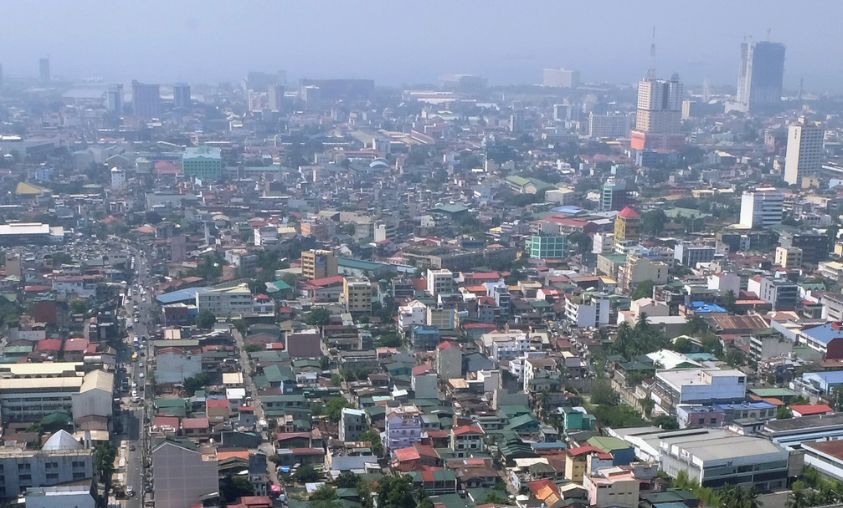
Many buildings in Davao City and nearby regions were constructed at a time when energy efficiency, indoor air quality, and modern cooling demands were not yet top priorities. As these structures age, their existing HVAC systems often struggle to meet today’s comfort standards, especially in a tropical climate with high
Many buildings in Davao City and nearby regions were constructed at a time when energy efficiency, indoor air quality, and modern cooling demands were not yet top priorities. As these structures age, their existing HVAC systems often struggle to meet today’s comfort standards, especially in a tropical climate with high heat and humidity.
Retrofitting older buildings with modern HVAC systems offers a practical solution. Instead of tearing down or rebuilding, property owners can upgrade cooling and ventilation systems to improve comfort, reduce energy costs, and extend the usability of their buildings. However, retrofitting comes with its own set of challenges and considerations. This article explores what you need to know before starting an HVAC retrofit project.
HVAC retrofitting involves upgrading or replacing outdated heating, ventilation, air conditioning, and refrigeration systems in an existing building. The goal is to improve performance, efficiency, and reliability without major structural changes.
In tropical areas like Mindanao, retrofitting is often driven by:
Retrofitting is rarely a one-size-fits-all process. Older buildings present unique obstacles that must be carefully evaluated.
Older structures often lack the mechanical rooms, ceiling voids, or shaft spaces needed for modern HVAC systems.
Key considerations:
Modern solutions such as VRF systems, compact air-handling units, or rooftop installations can help overcome space limitations.
Many older buildings were not designed to support today’s electrical loads.
Challenges include:
Upgrading electrical systems is often necessary during HVAC retrofits to ensure safety, reliability, and compliance with local regulations.
Older buildings may have structural limitations that restrict equipment placement or load-bearing capacity.
Common issues:
A thorough structural assessment helps prevent damage and ensures that retrofitting is done safely.
One of the biggest reasons property owners choose to retrofit is long-term cost savings.
Modern HVAC systems use advanced technologies such as inverter compressors, smart controls, and variable speed drives. These features allow systems to adjust output based on actual demand rather than running at full capacity all the time.
Benefits include:
In Davao City’s warm climate, even small efficiency gains can translate into significant savings.
Older systems often require frequent repairs and replacement parts that may no longer be readily available.
Retrofitting reduces:
Modern systems are designed for easier maintenance and better reliability.
While retrofitting requires upfront investment, the return on investment can be achieved sooner than expected.
ROI factors include:
Many building owners recover retrofit costs within a few years through operational savings alone.
Not all projects require a complete system replacement. In some cases, upgrading specific components, such as controls, air-handling units, or chillers, can deliver substantial benefits.
A professional assessment helps determine the most cost-effective approach.
Successful retrofitting requires careful planning and technical expertise. Proper system sizing, airflow analysis, and load calculations are essential to avoid performance issues.
Working with experienced HVAC professionals ensures:
In hot and humid environments, HVAC systems operate almost continuously. Retrofitting improves moisture control, reduces indoor discomfort, and helps protect building materials from mold and condensation-related damage.
For commercial and institutional buildings in Davao City, retrofitting is not just an upgrade; it is a necessity. It’s a strategic investment.
Retrofitting older buildings with modern HVAC systems is a smart way to enhance comfort, efficiency, and value without rebuilding from scratch. While challenges such as space, wiring, and structural constraints exist, the long-term benefits in energy savings and ROI make retrofitting a worthwhile consideration for property owners in Davao City and nearby regions.
At Tejada International Trade & Service Corporation, we specialize in HVAC retrofitting solutions tailored to older buildings and tropical climates. Serving Davao City and nearby regions, our team provides expert assessment, system design, installation, and ongoing support.
Contact us today to discuss upgrading your existing building with a modern, efficient HVAC system that delivers lasting comfort and savings.
As energy costs continue to rise and environmental regulations become stricter, businesses are increasingly looking for ways to improve the
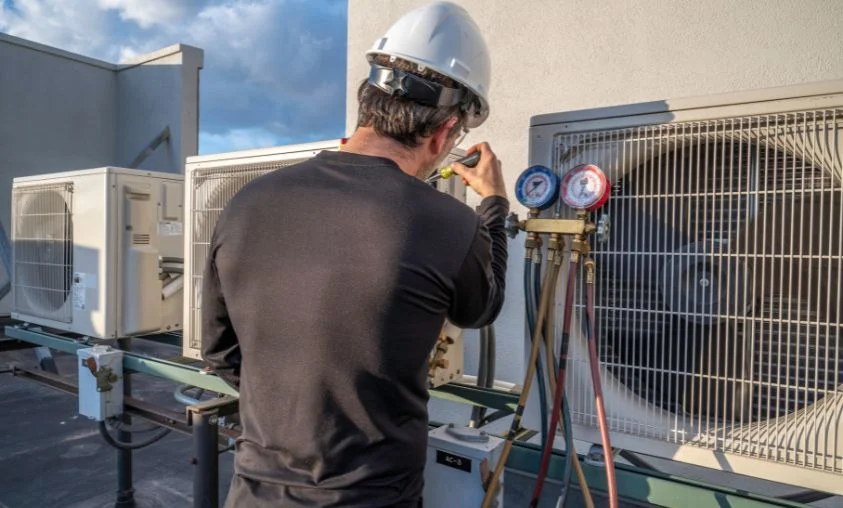
In commercial environments across Davao City and nearby regions, HVAC-R (Heating, Ventilation, Air Conditioning, and Refrigeration) systems are critical to