
Energy Efficiency Trends in Refrigeration & Cooling Systems
As energy costs continue to rise and environmental regulations become stricter, businesses are increasingly looking for ways to improve the
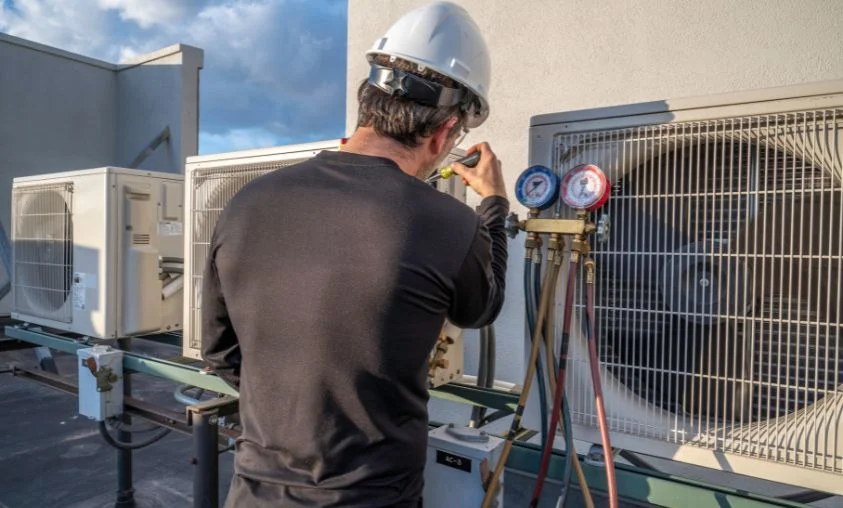
In commercial environments across Davao City and nearby regions, HVAC-R (Heating, Ventilation, Air Conditioning, and Refrigeration) systems are critical to daily operations. From office buildings and shopping malls to cold storage facilities and food processing plants, these systems ensure comfort, product safety, and regulatory compliance.
However, in tropical climates where heat and humidity are constant, HVAC-R equipment operates under intense conditions. Over time, this leads to wear and tear, performance issues, and unexpected failures. Understanding common HVAC-R problems and knowing how to diagnose and address them can help businesses minimize downtime, reduce repair costs, and extend equipment lifespan.
This guide covers the most frequent commercial HVAC-R issues, including leaks, compressor failures, airflow problems, and a practical diagnostic checklist to help facility managers stay proactive.
Commercial HVAC-R systems are more complex than residential units. They often run longer hours, serve larger spaces, and manage stricter temperature requirements.
Common contributing factors include:
When small issues are ignored, they can escalate into major system failures.
Refrigerant leaks are among the most common HVAC-R problems in commercial facilities.
Leaks may occur due to:
In tropical environments, corrosion accelerates due to humidity and airborne contaminants.
If left unresolved, low refrigerant levels can cause severe compressor damage.
Prompt action prevents more expensive repairs later.
The compressor is often referred to as the “heart” of an HVAC-R system. When it fails, the entire system may shut down.
In commercial settings, compressors often fail due to prolonged strain and insufficient maintenance.
Ignoring early warning signs can result in total compressor burnout, which is costly to replace.
Preventive maintenance significantly reduces the likelihood of compressor damage.
Airflow problems can severely impact cooling efficiency and indoor comfort in commercial buildings.
In large facilities, airflow imbalance can cause uneven cooling and hot spots.
Poor airflow forces the system to work harder, increasing wear and energy costs.
Addressing airflow issues improves efficiency and comfort while reducing equipment strain.
Commercial HVAC-R systems rely heavily on electrical components and control panels.
Electrical issues can cause inconsistent cooling, system shutdowns, or even fire hazards.
Proactive electrical maintenance ensures safe and reliable system performance.
Ice buildup and drainage issues are common in humid climates.
Excess moisture accumulation can damage ceilings, walls, and surrounding infrastructure.
Maintaining proper drainage prevents water damage and mold growth.
A structured diagnostic approach helps facility managers detect problems early.
Regular inspections reduce emergency breakdowns and extend system lifespan.
Many HVAC-R failures in commercial settings are preventable. Businesses that invest in routine maintenance benefit from:
In Davao City’s tropical climate, where HVAC-R systems run almost year-round, preventive maintenance is not optional. It is essential.
While basic checks can be performed in-house, complex diagnostics and repairs require trained technicians. Professional service providers use advanced tools to:
Partnering with experienced professionals ensures compliance with safety standards and manufacturer guidelines.
Commercial HVAC-R systems are vital assets that require consistent attention. Leaks, compressor failures, airflow issues, and electrical problems are common but manageable with proper diagnostics and preventive care.
By implementing a structured inspection routine and promptly addressing minor issues, businesses in Davao City and nearby regions can protect their investments, reduce operational costs, and maintain comfortable environments for employees and customers.
If your commercial facility is experiencing cooling or refrigeration issues, or if you want to implement a preventive maintenance program, consult the experts at Tejada International Trade & Service Corporation.
With extensive experience serving Davao City and nearby regions, Tejada provides professional HVAC-R installation, diagnostics, repair, and maintenance services tailored to commercial and industrial facilities.
Contact Tejada International Trade & Service Corporation today to ensure your HVAC-R systems operate efficiently, reliably, and safely year-round.
As energy costs continue to rise and environmental regulations become stricter, businesses are increasingly looking for ways to improve the
Many buildings in Davao City and nearby regions were constructed at a time when energy efficiency, indoor air quality, and